
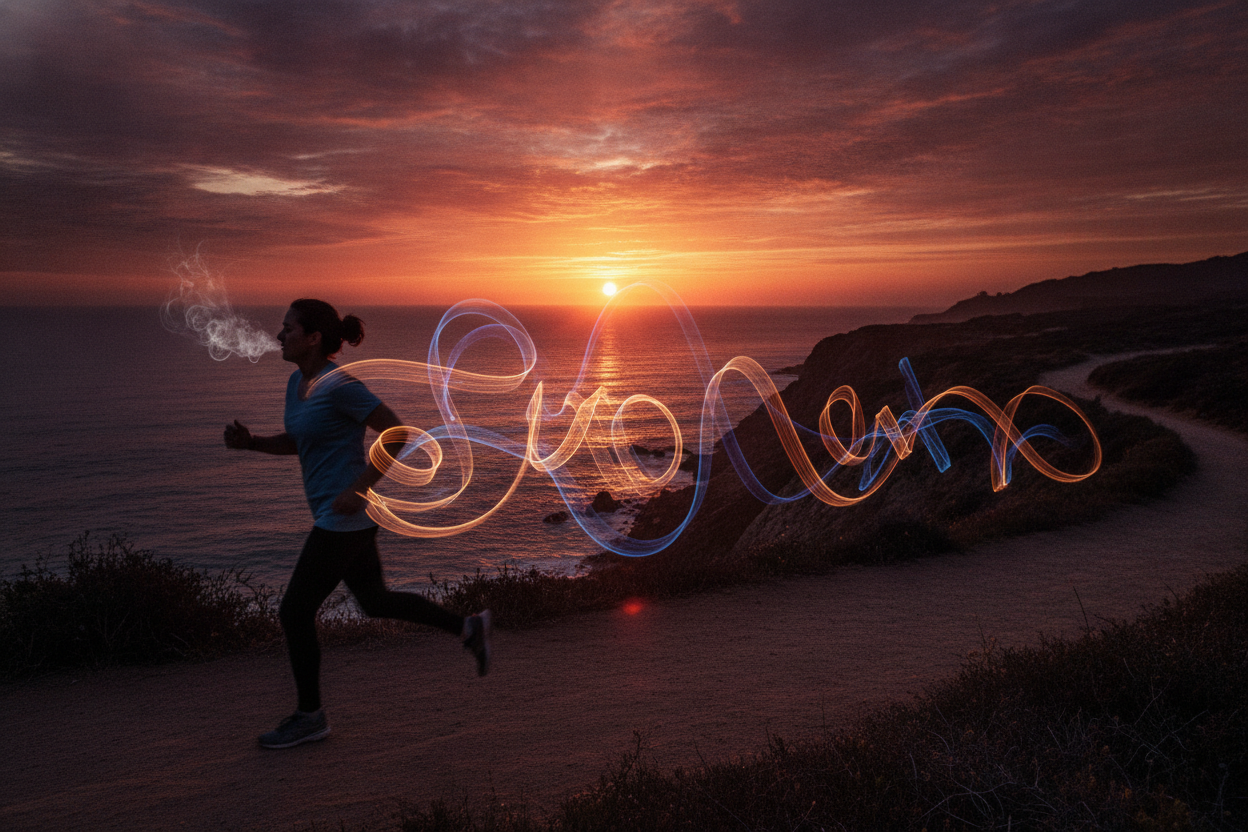
Movement can be one of the richest sources for poetry. When you walk, run, or simply move through a city, your attention gathers fragments of sound, image, and feeling. Poetry gives those fragments a home. It turns motion into language, allowing a passing moment to stay vivid long after the body has moved on.
One useful approach is to write from immediate sensation. Notice breath, temperature, texture, or the rhythm of footsteps and let those details guide the line. This helps the poem stay grounded in experience rather than becoming abstract too quickly. Small observations often create the most memorable images because they feel true and specific.
Motion also introduces structure. The repetition of steps or the pattern of a route can suggest line breaks, pacing, and sound choices. A poem can mirror that movement by building momentum, pausing at key moments, or shifting direction unexpectedly. In this way, form and content work together.
For MUNA, poems inspired by movement can connect naturally with running, photography, and even architecture. A stairwell, a long road, a window, or a change in light can all become poetic material. Sharing that kind of work on a personal site creates a sense of continuity across different creative sections. It invites readers into a world where observation matters and every journey has something to say.
Leave a Reply