
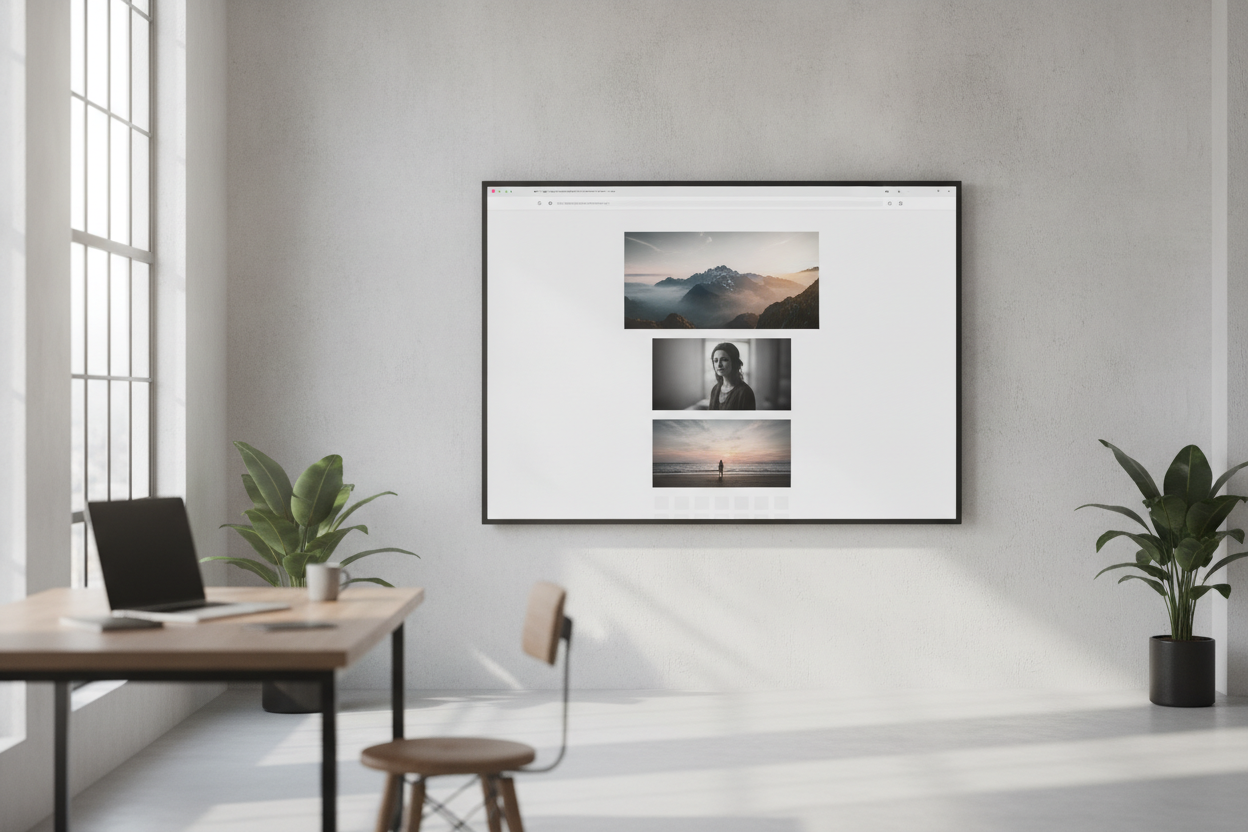
Photography often works best in a portfolio when it is given room to breathe. That means choosing images that can stand on their own and arranging them so the viewer can move through them without distraction. A simple layout supports that goal. It allows the image to lead while the surrounding page quietly reinforces the mood.
When preparing photography for a personal site, think about the story each image tells. A strong photograph does not only capture what something looks like. It also hints at atmosphere, timing, and perspective. That is why a single image can feel like a complete idea when it is framed well. For creative visitors, this kind of presentation feels thoughtful and polished.
Editing also plays a major role. A portfolio gains strength when the images feel related, even if they come from different places or subjects. Color balance, contrast, and recurring visual themes can create a sense of continuity. This matters on a site like MUNA, where the goal is to present multiple interests without making the experience feel crowded.
If you also write about your process, photography becomes even more engaging. A brief note about why you took a picture or what you noticed in the moment can deepen the viewer’s connection to it. That extra context turns an image gallery into a creative journal. It invites people not just to look, but to understand how you see the world.
Leave a Reply